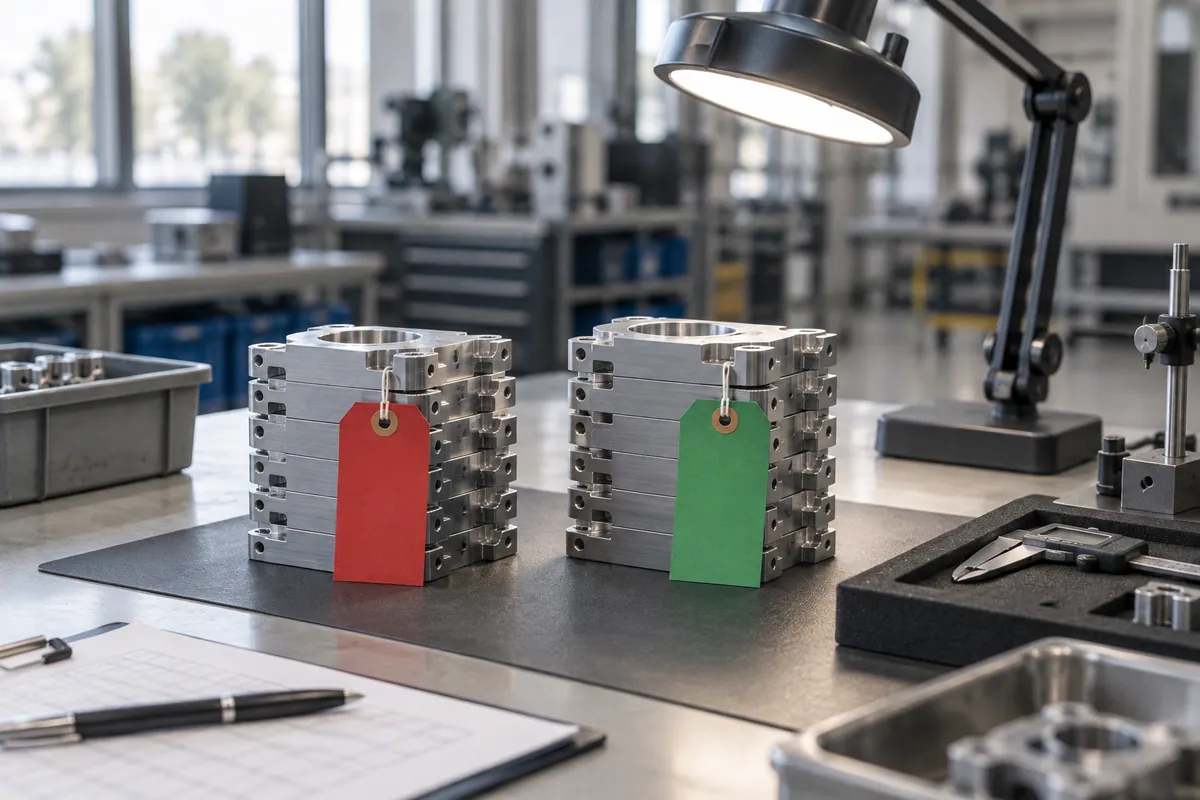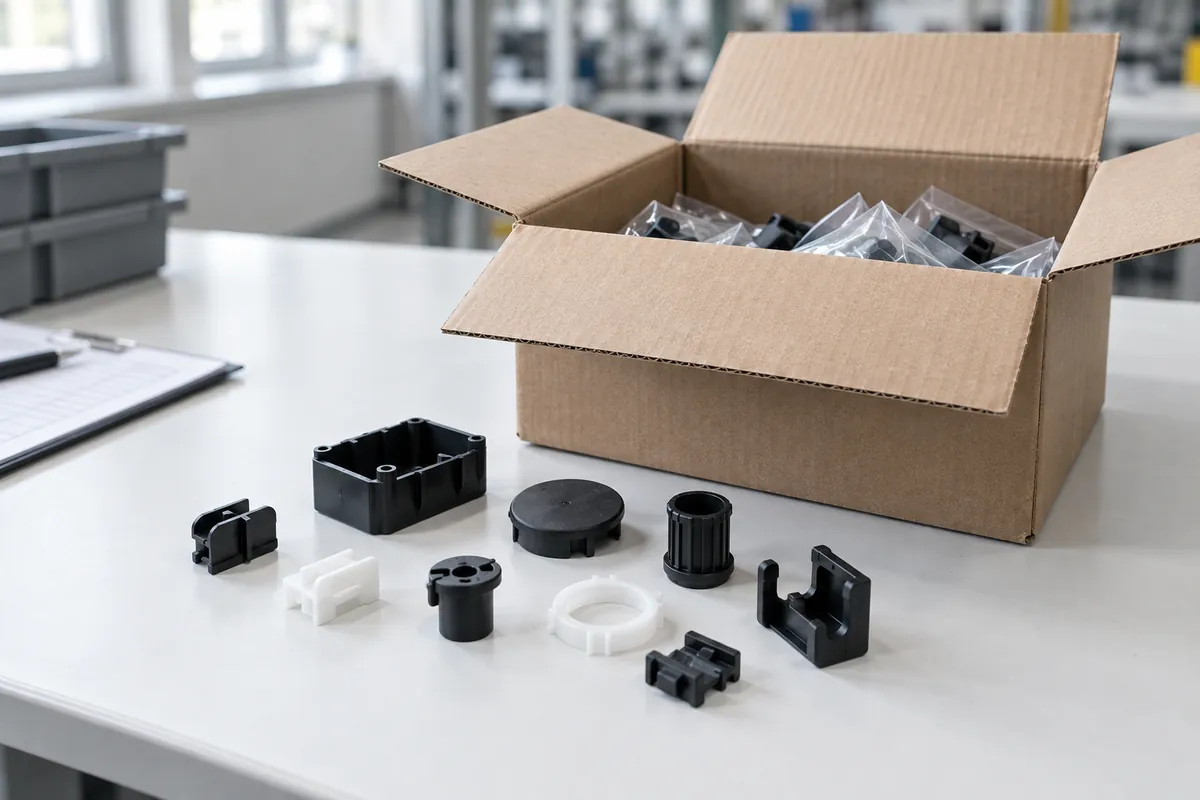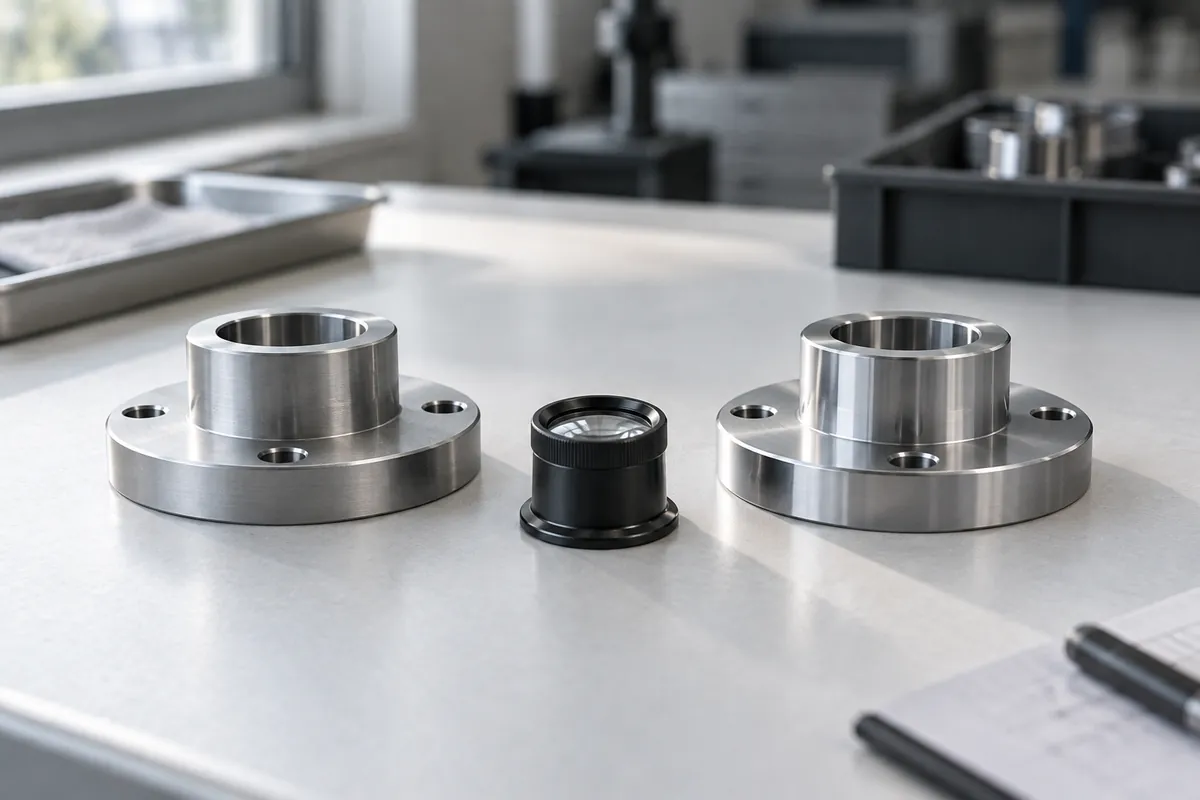
The first order was perfect. The fifth order technically passed inspection, but something about it feels slightly off. Nobody changed anything on paper, and yet the product isn't quite the same. This is quality fade, and it's one of the more predictable patterns in a long-running supplier relationship, not a mystery.
In short: quality fade is the gradual decline in a supplier's output over repeated orders, usually driven by small, incremental substitutions rather than one deliberate decision to cut corners. It tends to appear once a buyer's attention relaxes, which is exactly when the checks that caught it early get skipped.
Why it happens even with suppliers acting in good faith
Most quality fade is the accumulated effect of a series of individually small decisions: a slightly cheaper material substitution that's "close enough," a process step done a little faster once a production team gets comfortable, a component swapped for one that's easier to source that particular month. Each change on its own often falls inside a tolerance nobody explicitly checks. Stacked over several orders, the product has quietly drifted from the one that was originally approved.
The typical timeline
The pattern is common enough to have a rough shape. The first order gets maximum attention, because both sides are establishing the relationship. The second and third orders are usually still close, because the supplier wants to protect a new account. By the fourth or fifth order, with the relationship established and the buyer's inspection frequency often relaxing at the same time, small substitutions start appearing. This is not universal and not guaranteed, but it's common enough that a buyer who assumes "order six will be exactly like order one" is making an assumption worth checking.
What actually catches it
Quality fade is hard to catch by eye on a single order, because the drift from one order to the next is small by design. What catches it is comparison against a fixed reference point, not against the previous order. Keeping the originally approved sample, sometimes called a golden sample, and checking new production against that original rather than against the last shipment prevents the drift from compounding invisibly.
Periodic re-inspection at the same intensity as the early orders, rather than tapering off once trust is established, is the other half of it. The relaxation of inspection frequency is often exactly what creates the space for fade to go unnoticed.
The cost of a cheaper quote that isn't really cheaper
A quote that comes in noticeably below the rest of the market on a repeat order is one of the more reliable early signals of quality fade in progress, particularly when the supplier hasn't changed and the specification hasn't changed either. The lower price is rarely free; it usually means something in the material, process or component list moved to accommodate it.
Key takeaways
- Quality fade is usually a slow accumulation of small substitutions, not one deliberate decision.
- The typical pattern shows tight quality on early orders and drift appearing around the fourth or fifth, once attention relaxes.
- Compare every new batch against the original approved sample, not against the previous shipment, to catch drift that compounds gradually.
- Keep inspection frequency consistent over the life of a relationship rather than tapering it off once trust is established.
- A repeat-order quote that drops noticeably without a clear reason is often an early signal, not a win.
Monitoring quality against a fixed reference, across every order and every supplier in a portfolio, is one of the less visible but more valuable parts of managing a long-term supply chain in China.