By the time a pre-shipment inspection happens, the order is usually finished. That timing is exactly the problem: a defect caught at that stage can be fixed on a small batch, but on a full container it often means reworking, discounting, or accepting a loss.
In short: a during-production inspection (DUPRO) happens once a meaningful portion of the order is made, typically 20 to 60 percent, and catches problems while there's still time to correct the process. A pre-shipment inspection (PSI) happens when the order is complete and packed, and confirms whether the finished goods match specification before they leave the factory. They answer different questions, and for a first order with a new supplier or a complex product, both are worth doing.
What during-production inspection is actually for
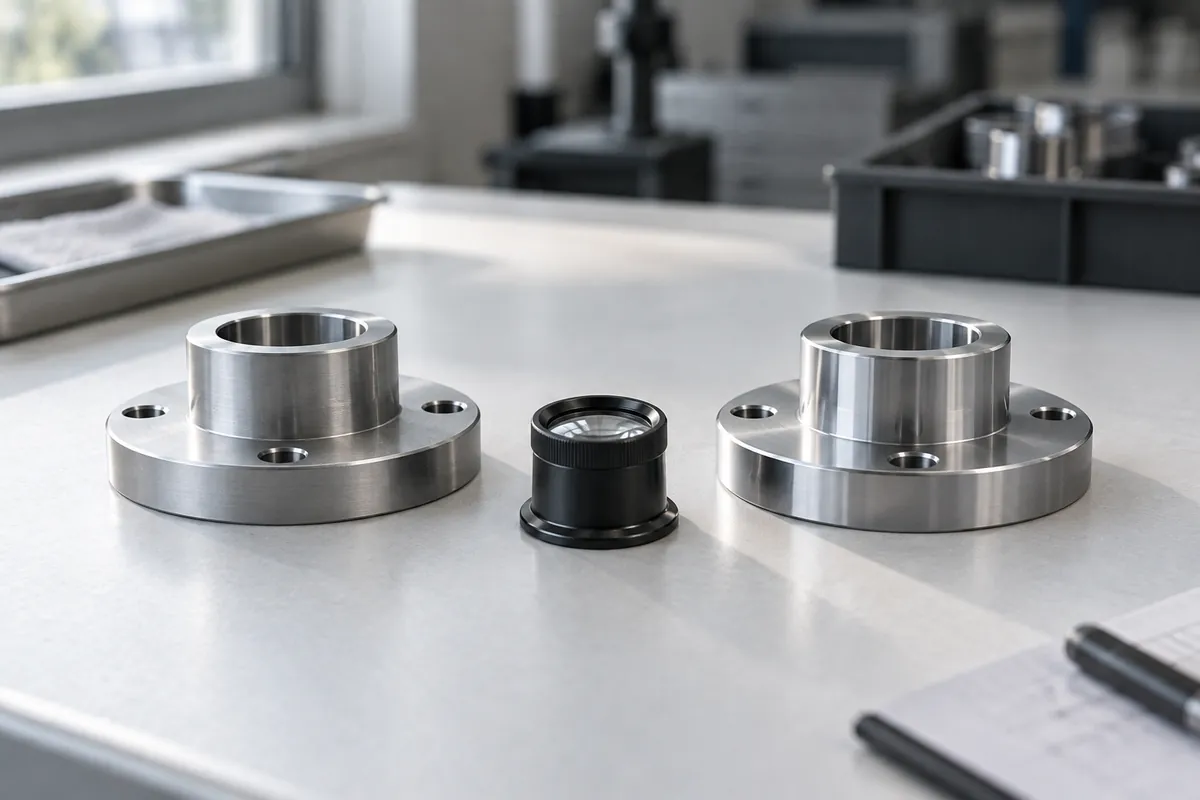
DUPRO happens before the product is finished, so its job is catching a systemic problem, a wrong material substitution, an assembly step done incorrectly, a color that's drifted from the approved sample, while enough of the run remains to fix the process rather than just the units already made.
This matters most on products with multiple components or finishing steps, where a mistake made early repeats identically through the rest of the run. Furniture with an upholstery or finish step, or fitness equipment with a multi-stage assembly, are typical cases where catching an issue at 30 percent completion changes the outcome of the whole order.
What pre-shipment inspection actually checks
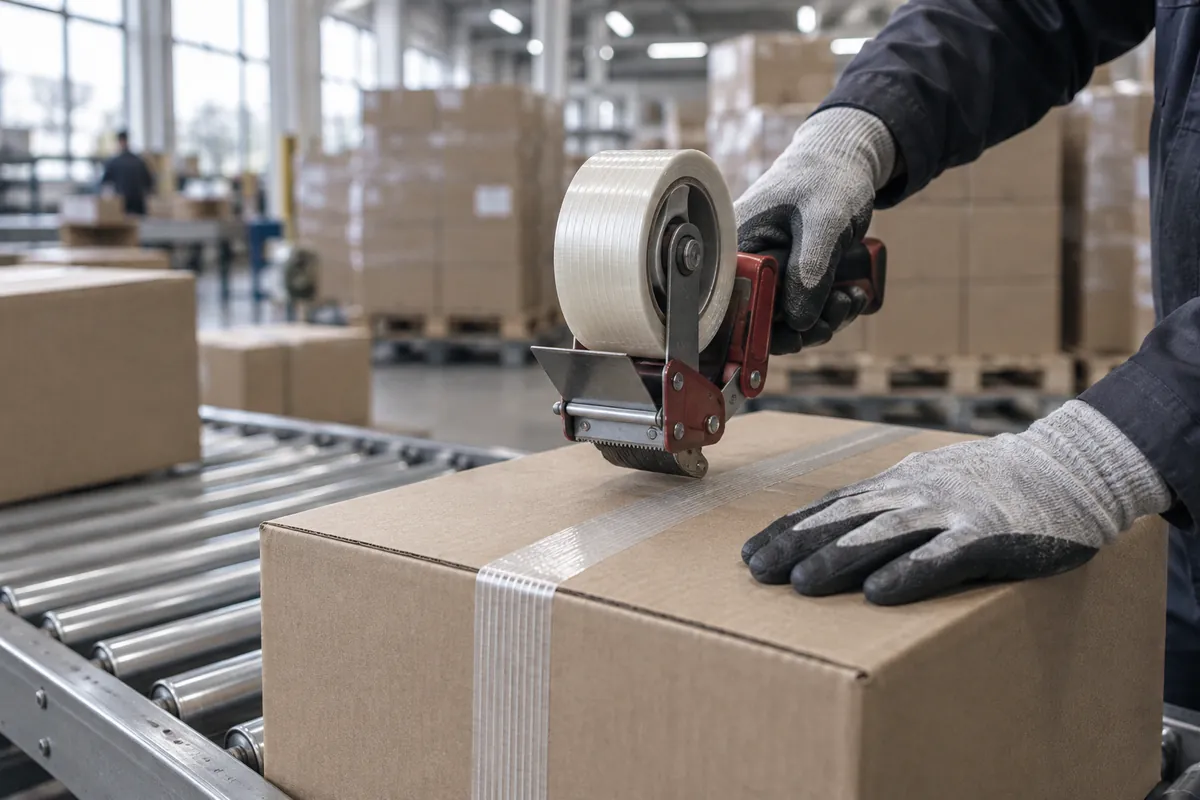
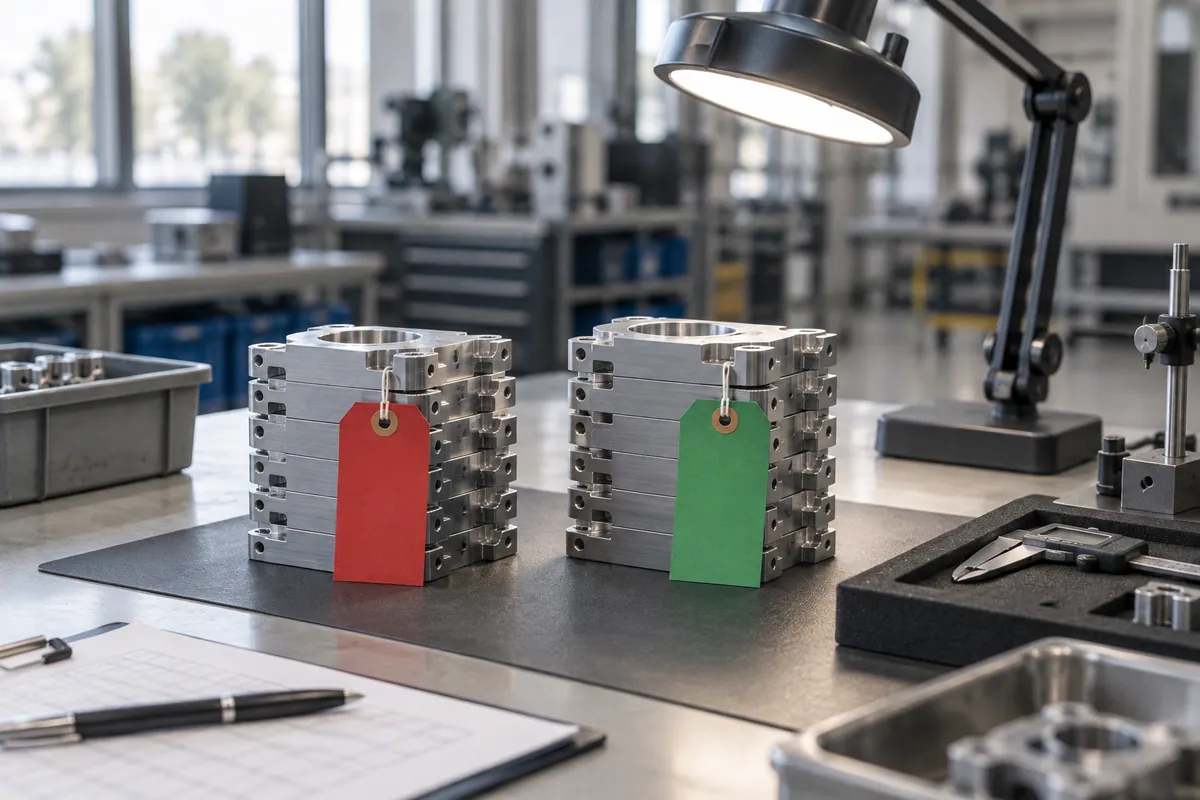
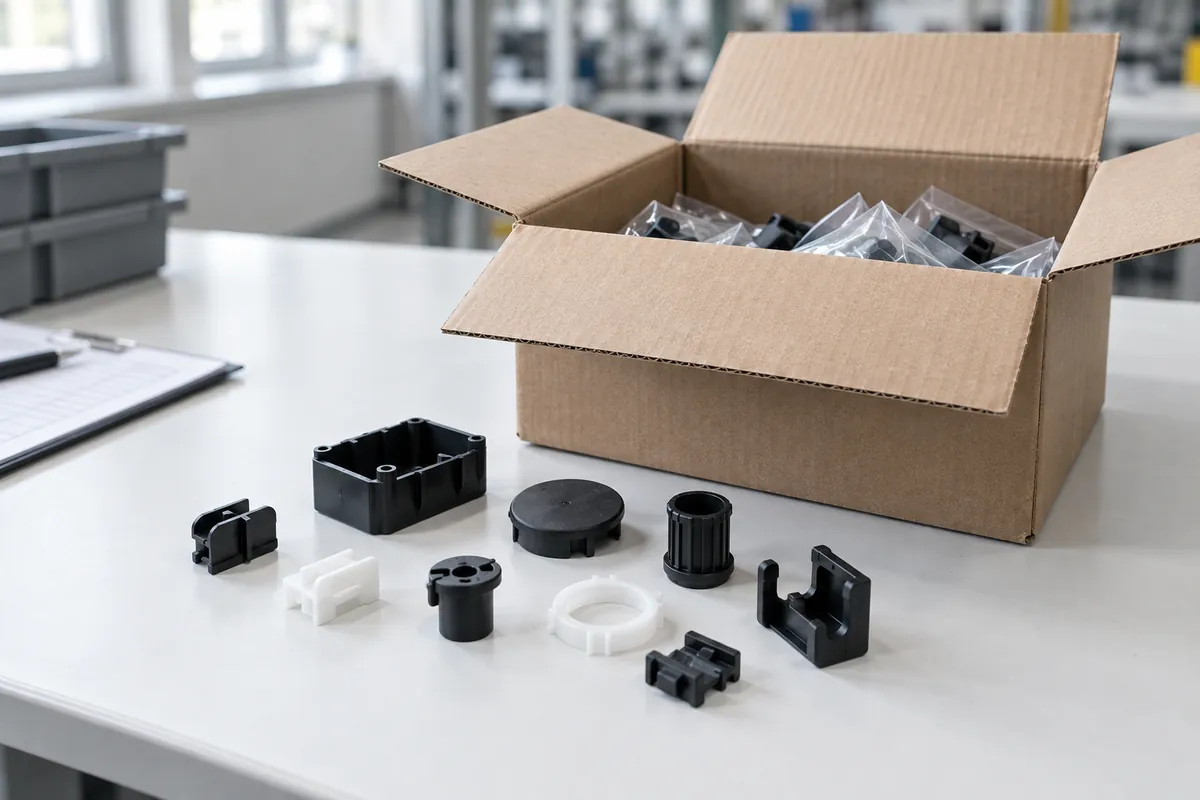
PSI happens against the finished, packed goods: appearance, function, measurements, and packaging integrity, usually against an AQL sampling plan rather than every unit. It's the last checkpoint before the goods are loaded, and the last point where a rejection is still cheaper than a return shipment or a customer complaint on the other side of the ocean.
Why the order matters
Skipping DUPRO and relying only on PSI means the first checkpoint arrives after the whole order is already made. If something is systematically wrong, the fix at that point is limited to sorting good units from bad, reworking what can be reworked, or accepting the loss. Doing both inspections in sequence turns quality control into two decision points instead of one, with the earlier one able to actually change the outcome.
When one inspection is enough
For a simple, low-risk product with a proven supplier and a track record of consistent quality, a pre-shipment inspection alone is often sufficient. The extra checkpoint earns its cost on new suppliers, complex products, larger orders, and anything where a defect discovered late is expensive to fix.
Key takeaways
- DUPRO happens mid-production and can still change the outcome. PSI happens at the end and mainly decides whether to ship.
- Multi-step products (finishing, upholstery, multi-stage assembly) benefit most from catching issues early.
- For a new supplier or a first order, doing both inspections in sequence is the safer default.
- An established supplier with a consistent track record can often move to pre-shipment inspection alone.
Building inspection timing into the production schedule from the start, rather than deciding reactively once something looks off, is one of the quieter parts of running quality control across multiple factories and product categories at once.