A product can pass every quality inspection at the factory and still arrive damaged. When that happens, the product usually wasn't the problem. The packaging was designed for a short trip, and it got a long one.
In short: export packaging for an ocean shipment needs to withstand weeks of transit, multiple handling points, stacking pressure in a container, and humidity swings, a far harder test than the drop test a domestic package is built for. The gap between "looks fine in the factory" and "arrives fine after a month at sea" is where most transit damage actually happens.
Why domestic packaging standards don't transfer
A package designed for a short domestic delivery is built around a handful of handling events and a controlled environment. An export shipment adds container loading, ocean transit measured in weeks, transshipment in some routes, customs handling, and inland transport on the receiving end, each with its own risk of impact, crushing or moisture exposure. Packaging that performs well domestically can fail on an export route simply because it was never tested against that specific combination of stresses.
The master carton does more work than it looks like
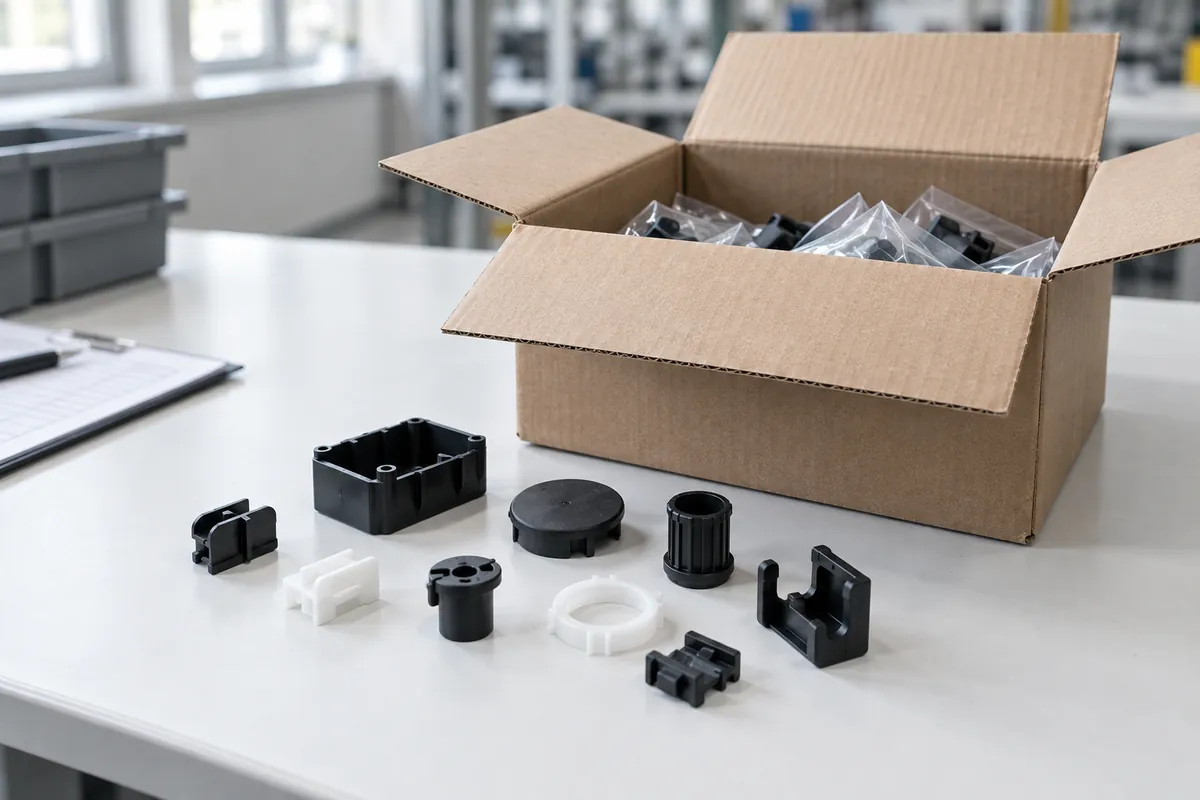
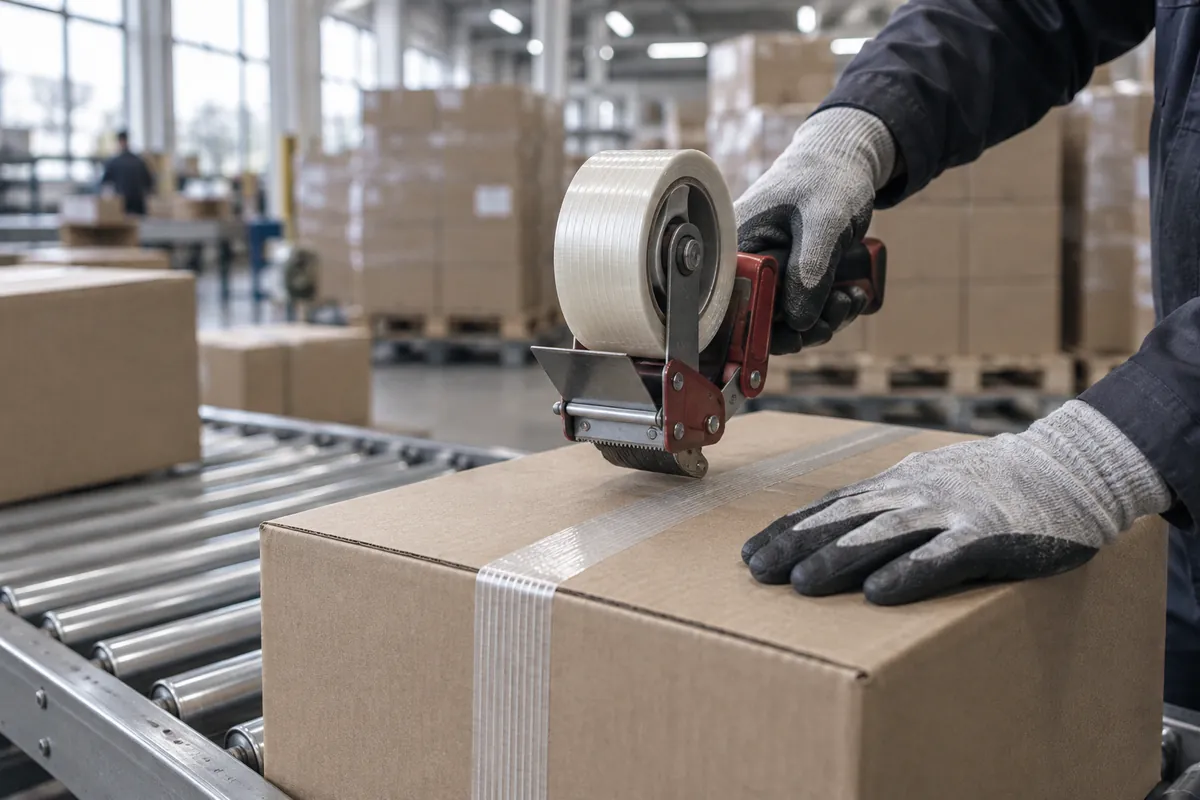
The master carton is the layer that has to survive stacking pressure inside a container for the full transit while it protects the individual units inside it. Wall strength (often specified as burst or edge crush test values), correct internal cushioning, and a fill pattern that leaves no space for products to shift are the details that separate a carton that holds up from one that collapses under the weight of the cartons stacked above it.
Palletizing changes the risk profile
How cartons are arranged on a pallet, and how that pallet is secured, determines whether the load stays stable through the vibration and shifting of an ocean voyage. A pallet pattern that looks tidy in a factory photo can still be unstable in transit if the interlocking pattern is wrong or the stretch-wrap tension isn't sufficient. This is a detail worth reviewing before the first shipment, not after a pallet arrives leaning.
Humidity is a slower, quieter risk
Ocean transit moves cargo through significant temperature and humidity swings, and condensation inside a sealed container is a real risk for moisture-sensitive products, wood furniture, electronics, anything with metal components prone to corrosion. Desiccant packs, appropriate barrier materials, and correct sealing reduce this risk, but only if they're specified for the actual route and product, not applied as a generic afterthought.
What to check before approving packaging
A packaging approval should include a look at the actual master carton specification (a photo of a finished box is not enough), the palletizing plan, and, for higher-value or fragile shipments, a transit test simulating drop, vibration and compression. None of this needs to happen on every order once a packaging design is proven, but it's worth doing properly the first time a new product or a new route is introduced.
Key takeaways
- Domestic packaging standards don't automatically hold up over an ocean transit measured in weeks, with more handling points and stacking pressure.
- Master carton strength and internal fill pattern determine whether a container's stacking pressure is survivable.
- Palletizing pattern and wrap tension affect stability through transit as much as the carton itself.
- Humidity and condensation are a slower risk that specific barrier materials and desiccants address, if specified for the actual route.
- Test packaging properly the first time a product or route changes, rather than assuming last time's design still applies.
Packaging design sits at the intersection of product, quality control and logistics, which is one of the reasons it works best when reviewed as part of the whole supply chain rather than as a separate decision made late.