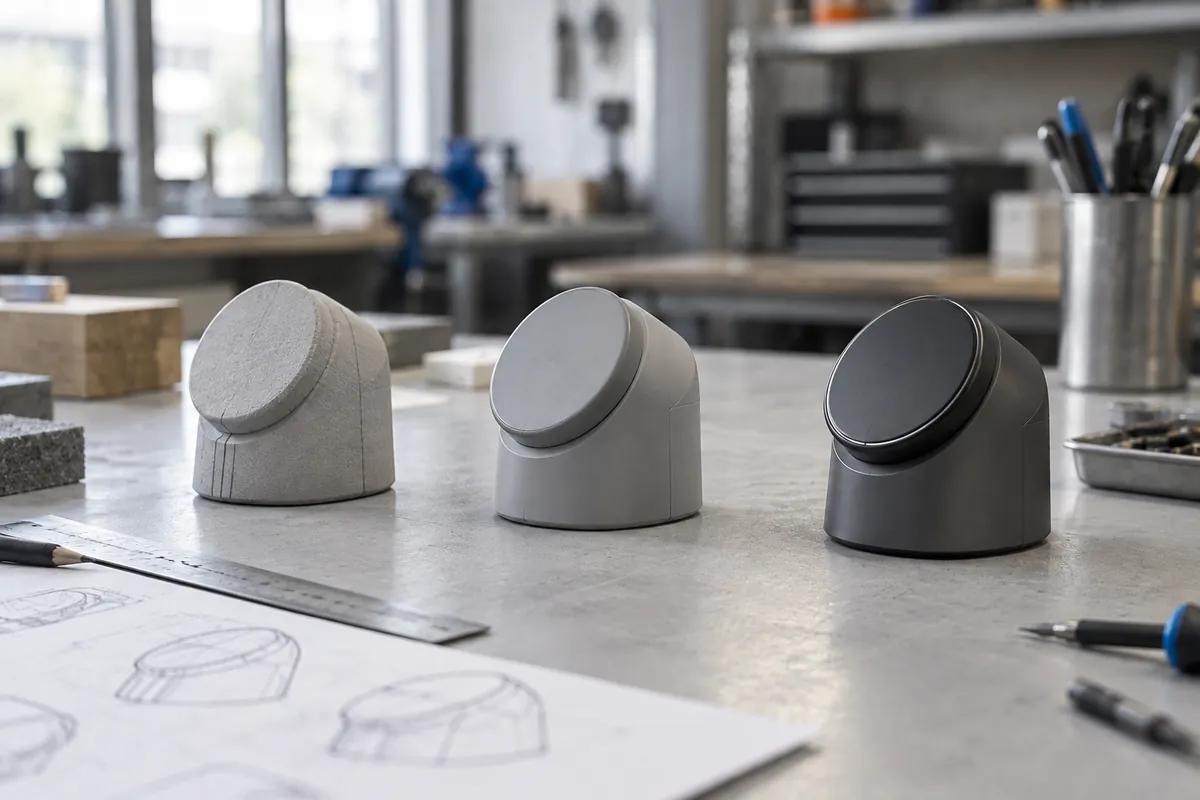
An idea sketched on paper and a container of finished product ready to ship are separated by more stages than most first-time buyers expect, and skipping one of them is the most common reason a launch slips by months.
In short: product development from idea to production in China moves through a consistent sequence: concept and specification, factory and material selection, prototyping and sample rounds, tooling where needed, pilot production, and full-scale manufacturing. Each stage exists because it catches a specific type of problem before it becomes expensive to fix, and rushing past one usually means paying for it later at a worse stage.
Concept and specification
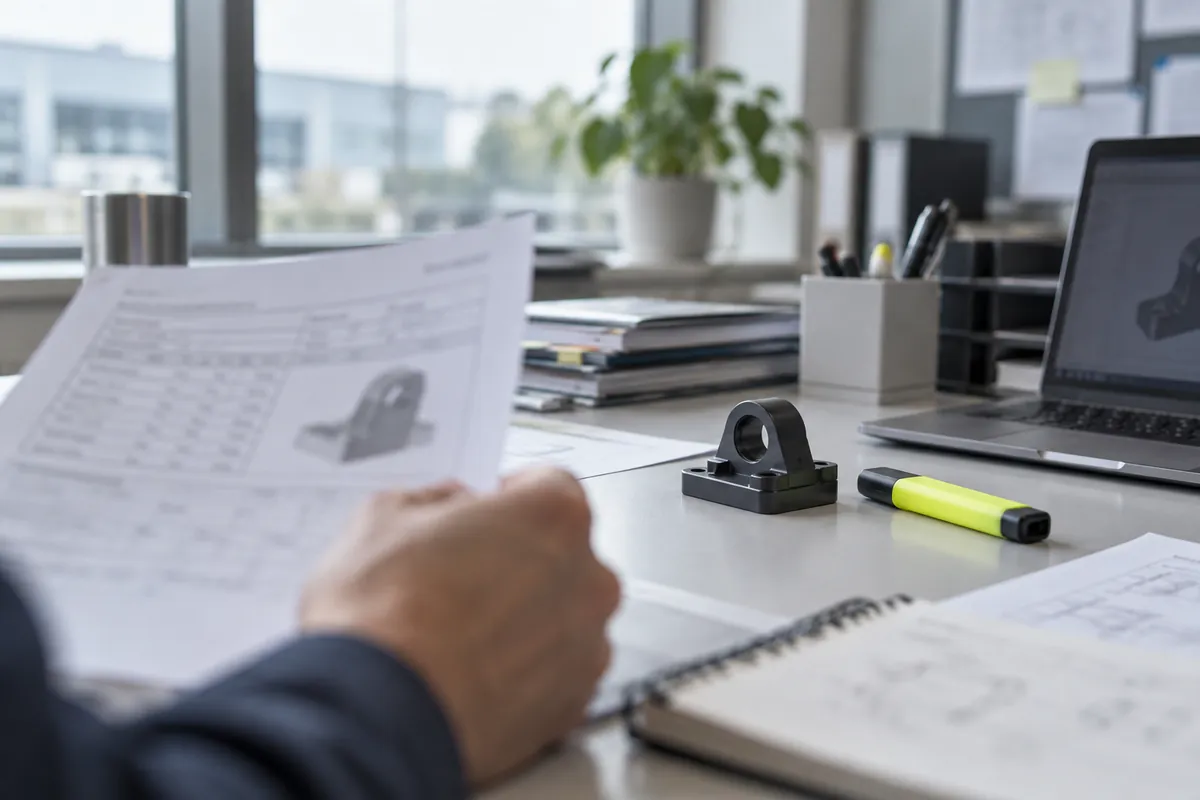
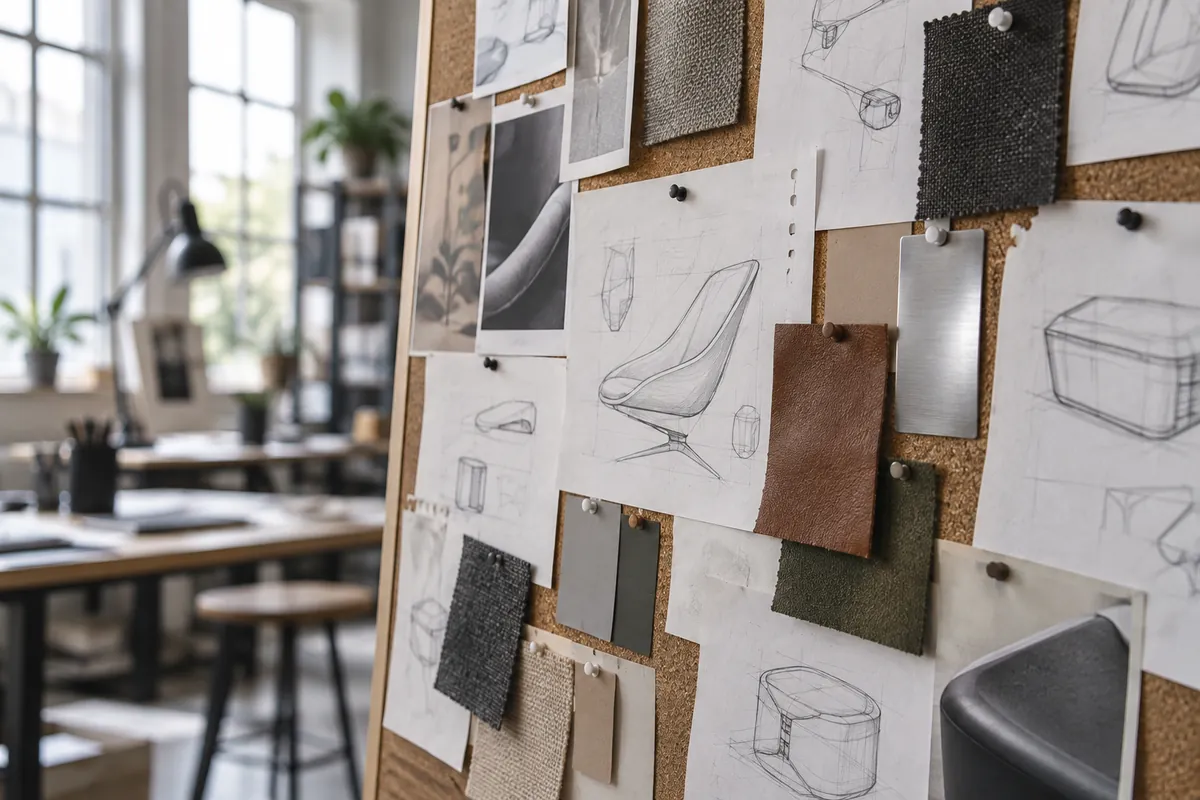
Before any factory conversation, the concept needs to become a specification detailed enough that a factory can actually quote against it: function, dimensions, materials, target price point, target volume, and any regulatory or safety requirements relevant to the destination market. A vague concept produces vague quotes that aren't comparable to each other, because each factory is quietly filling gaps with its own assumptions.
Factory and material selection
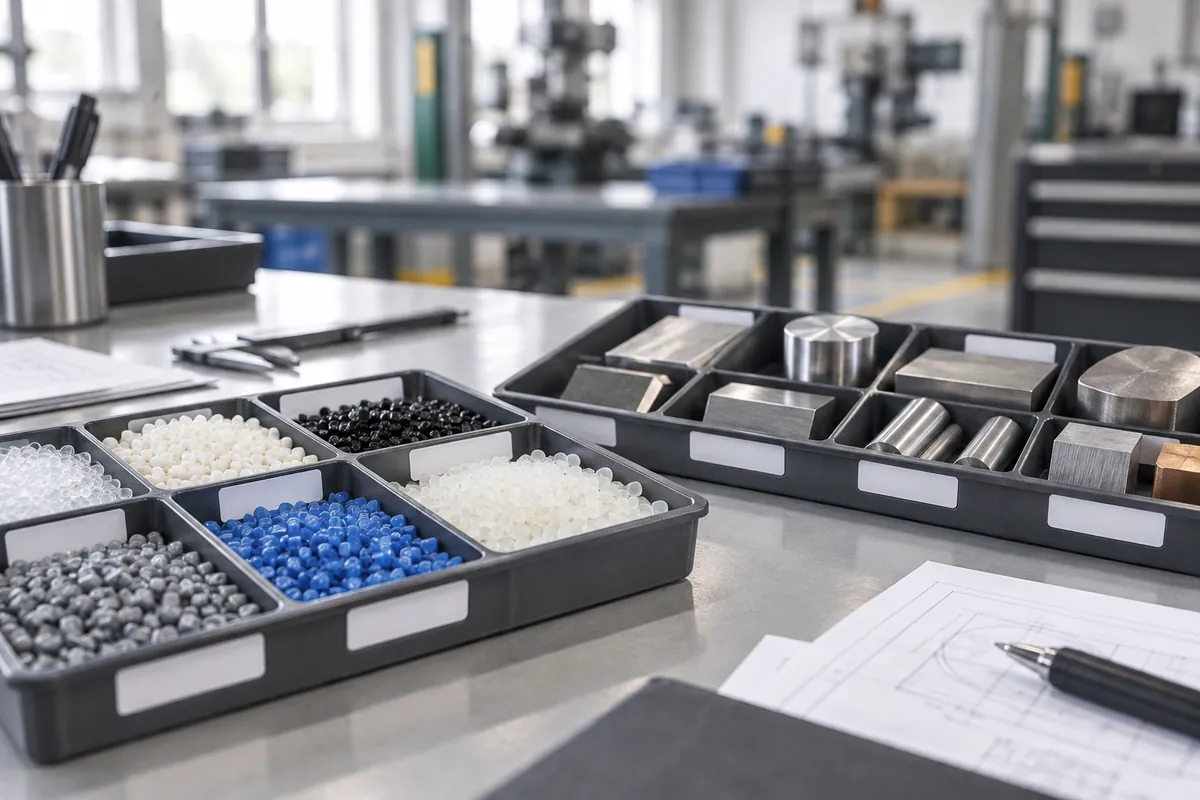
The factory chosen needs to match the product category and the development path decided (OEM building from scratch, or ODM adapting an existing base). Material selection happens alongside this, since a factory's available material options and its typical supplier relationships shape both cost and what's realistically achievable without a custom material order that adds its own lead time and minimum quantity.
Prototyping and sample rounds
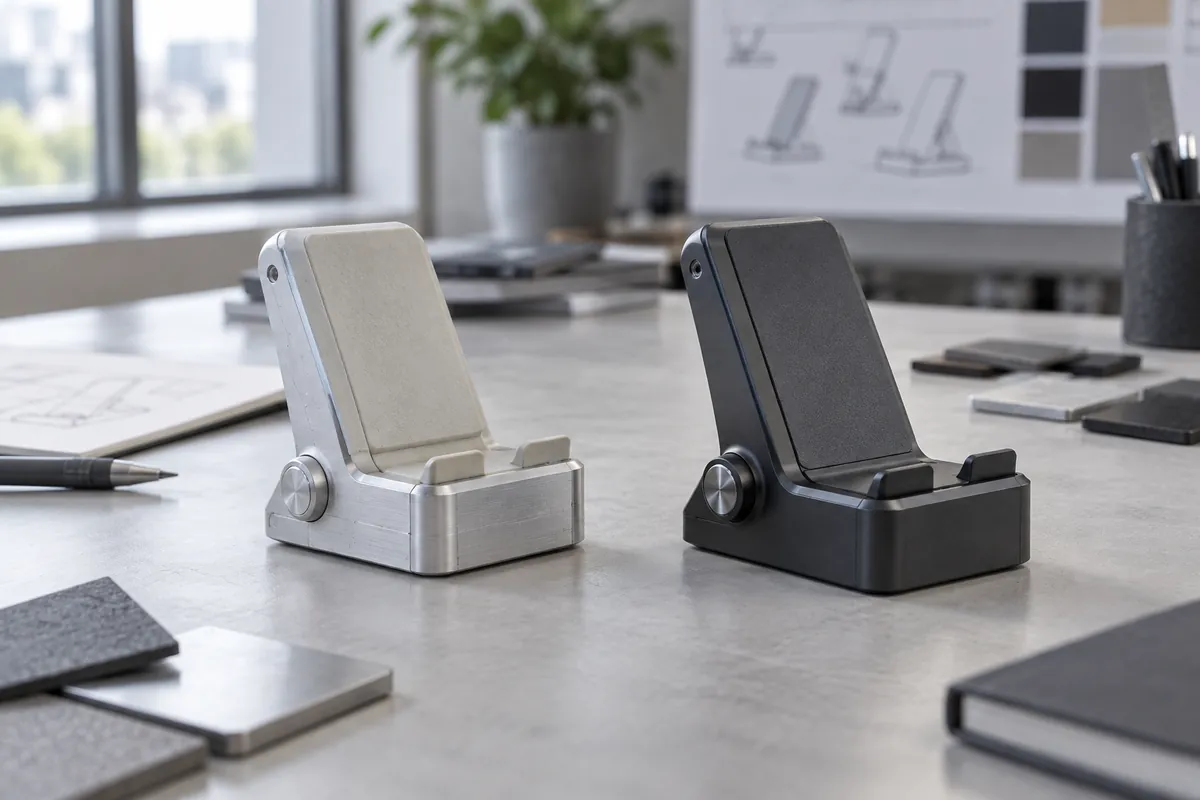
A first prototype rarely matches the final vision exactly, and that's the point of this stage: catching what doesn't work in a low-cost format before committing to tooling or a production run. Multiple sample rounds are normal for anything beyond a simple product, each one narrowing the gap between concept and a version that's actually ready to manufacture at scale.
Tooling, where the product requires it
Injection-molded, cast or stamped components need tooling, molds or dies built specifically for the product, and this is usually the single largest fixed cost and longest lead time in the whole process. Tooling decisions made carelessly, choosing a cheaper mold material to save cost upfront, for example, can compound into higher unit costs or shorter mold life over the life of the product.
Pilot production
A pilot run, smaller than a full production order, tests whether the process that worked for a hand-built prototype actually works at production speed, with the normal production team, and normal material batches. This is where a design that looked perfect as a prototype sometimes reveals an assembly step that's fine one at a time but awkward at production pace, before that problem shows up across a full order.
Full-scale production
Once pilot production confirms the process, full manufacturing begins, ideally with the quality control and inspection checkpoints already built into the schedule rather than added reactively after the first batch raises a concern.
Where projects most commonly stall
The most common bottleneck is skipping ahead: moving to tooling before the specification is truly finalized, or moving to full production without a pilot run to confirm the process holds at scale. Each shortcut saves time in the short term and tends to cost more of it later, once a problem surfaces in a stage that's far more expensive to revisit.
Key takeaways
- Product development moves through concept, factory and material selection, prototyping, tooling, pilot production and full production, in that order for good reason.
- A detailed specification before factory conversations start is what makes quotes from different factories actually comparable.
- Tooling is usually the largest fixed cost and longest lead time; decisions made here compound over the life of the product.
- A pilot run before full production catches process problems that a hand-built prototype can't reveal on its own.
- Skipping a stage to save time upfront is the most common reason a project costs more time later.
Running this sequence consistently across different product categories, furniture, fitness equipment, packaging and beyond, is what turns product development from a series of surprises into a predictable process.