The two acronyms get used almost interchangeably in casual conversation, and the mix-up costs real money once a project is underway, because they describe two genuinely different starting points, not two names for the same thing.
In short: OEM (Original Equipment Manufacturer) means the factory builds a product to a buyer's own design and specification, developed independently or with a separate design partner. ODM (Original Design Manufacturer) means the factory already has a base product design ready, and the buyer customizes branding, finish, packaging or minor features on top of it. The right choice depends on how original the product needs to be, and what budget and timeline are available for development.
OEM: full control, full cost, full timeline
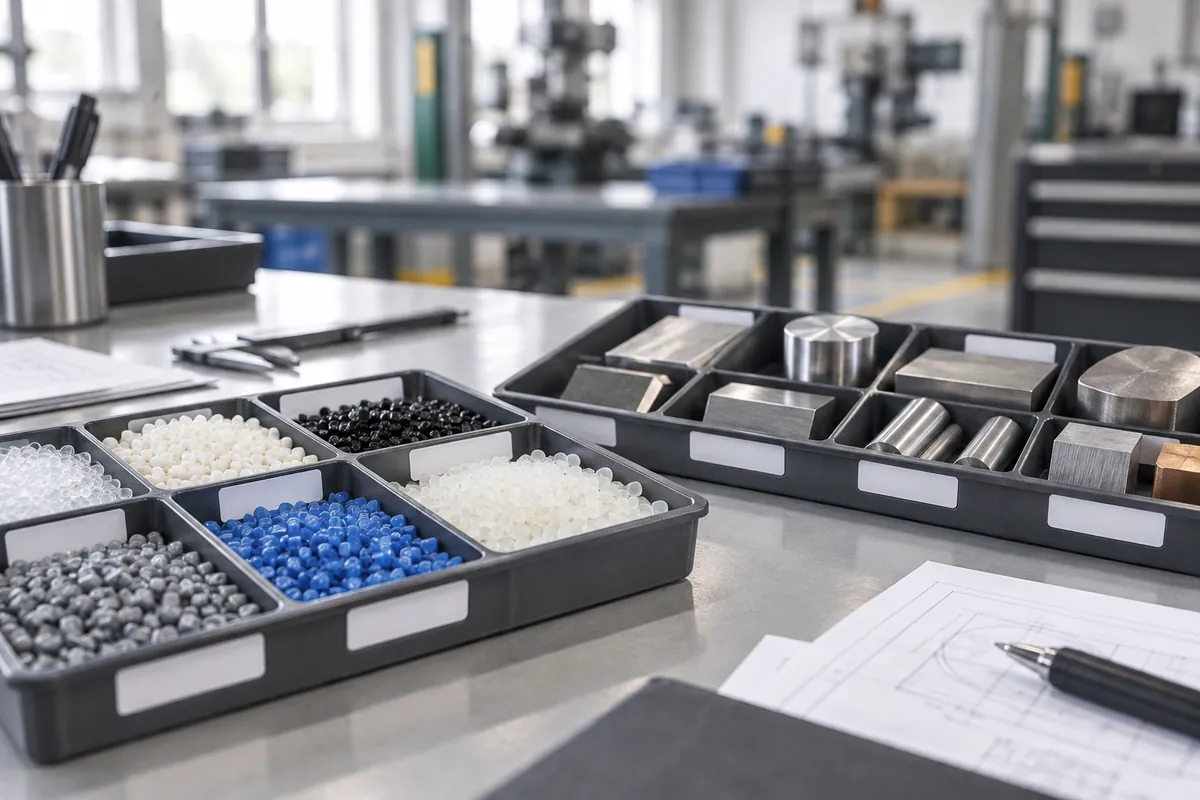
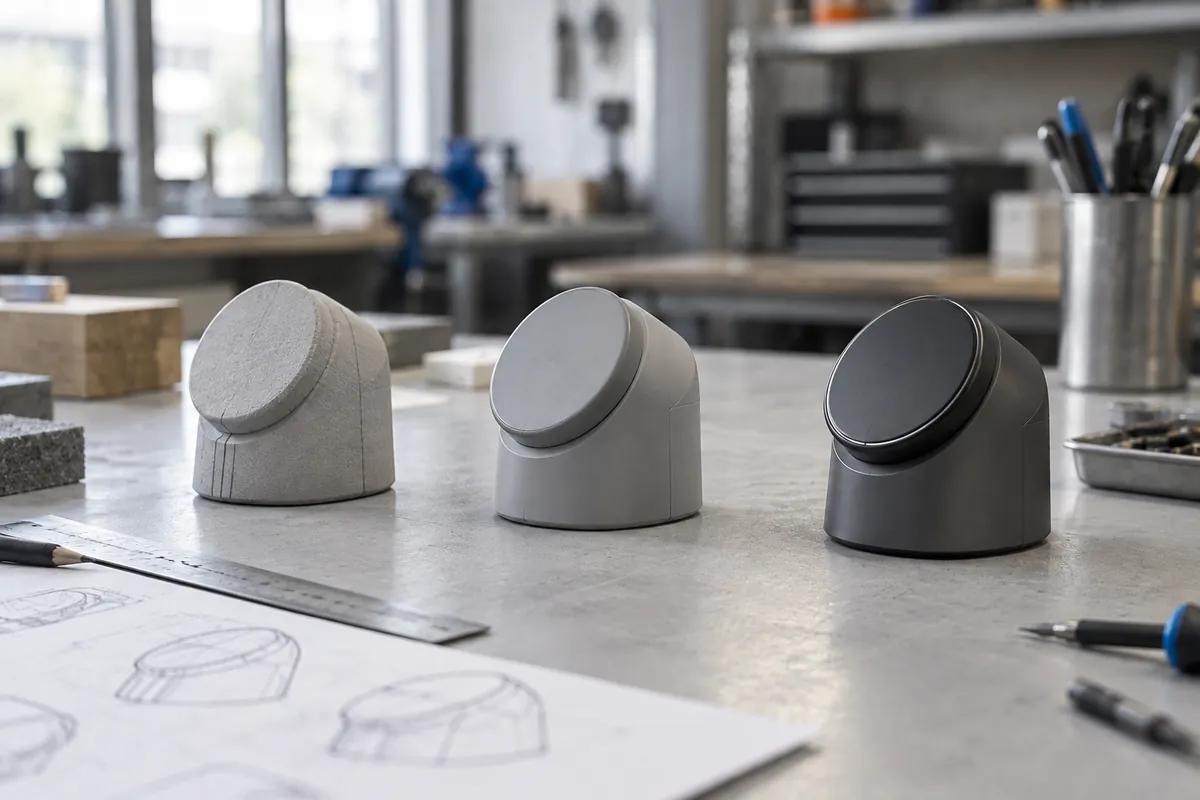
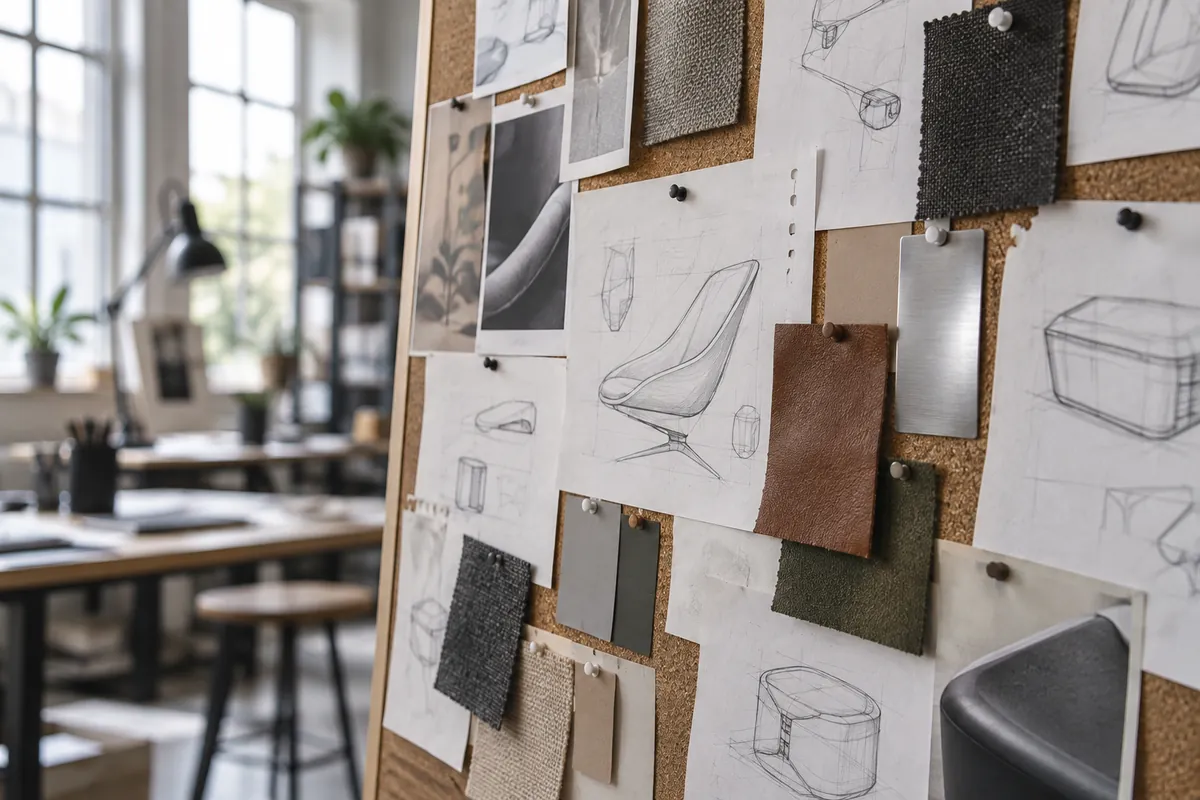
Under an OEM arrangement, the buyer brings a complete or near-complete design, engineering drawings, material specifications, tooling requirements, and the factory manufactures to that spec. This path gives the most control over the final product and the clearest path to genuine differentiation, but it also carries the most cost and time: tooling cost, engineering iteration, and a development timeline that can run months before the first production sample even exists.
OEM makes sense when the product is central to a brand's differentiation, and when there's a real budget and timeline for development behind an idea that has already been tested.
ODM: faster to market, less differentiation
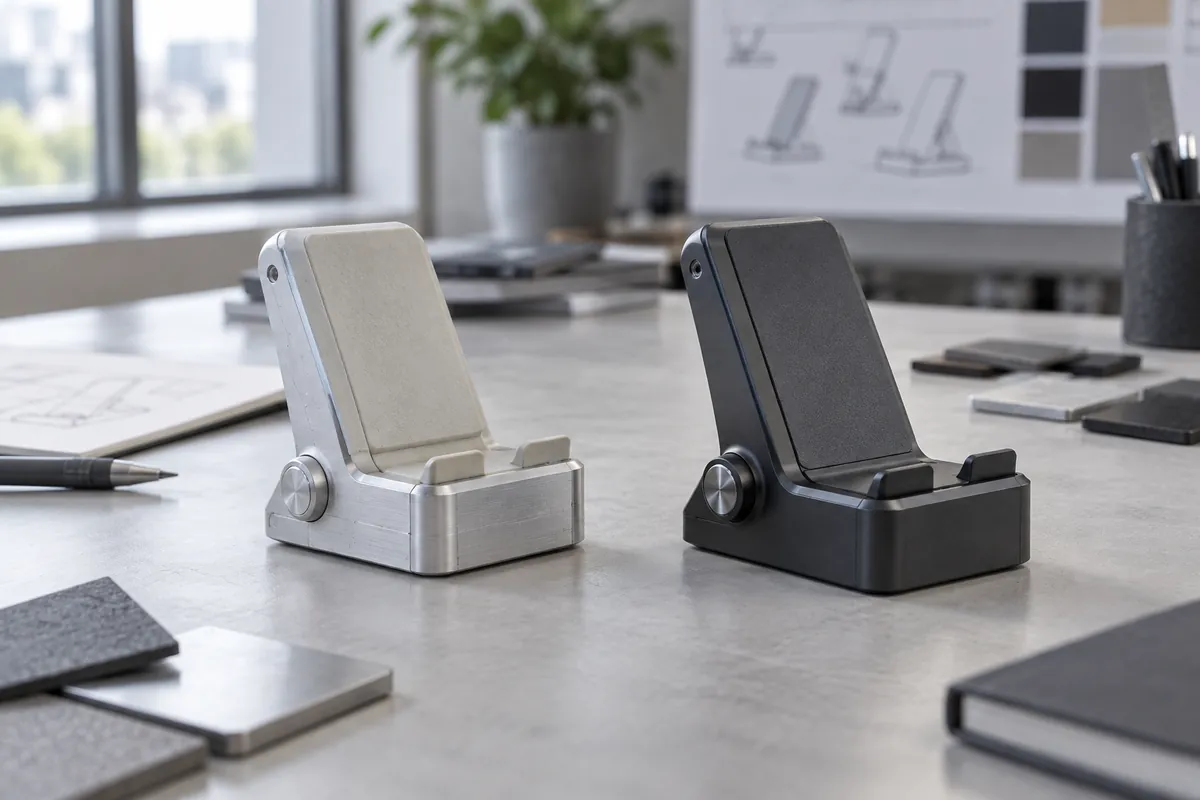
Under an ODM arrangement, the factory has already developed and tooled a base product, often one they offer to multiple clients with different branding. The buyer's work is customization: color, packaging, minor feature changes, and branding, applied to a design that already works and is already in or near production.
This path is faster and considerably cheaper to launch, because the expensive part, core design and tooling, is already done and shared across the factory's client base. The trade-off is that a competitor can potentially source the same base product from the same factory with different branding, which limits how differentiated the final product can genuinely be.
A practical way to decide
Ask what's actually driving the product's value to the end customer. If it's a specific mechanism, a unique form factor, or genuine engineering that a competitor can't easily replicate, OEM protects that value in a way ODM can't. If the value is more about brand, curation, and getting a solid product to market quickly with a reasonable margin, ODM is often the more capital-efficient way to start, with a path to move toward a more customized OEM product once the category proves itself in the market.
A middle path that's more common than it sounds
Many private label projects don't sit cleanly at either end. A factory offering an ODM base product will often accommodate meaningful customization, a modified mechanism, a different material, an added feature, effectively moving the project partway toward OEM without the full cost of starting from a blank page. This middle path is worth exploring directly with a factory before assuming the choice is strictly binary.
Key takeaways
- OEM builds to the buyer's own design; ODM customizes a design the factory already has ready.
- OEM gives more control and differentiation, at a higher cost and longer timeline.
- ODM gets to market faster and cheaper, at the cost of some differentiation from what the same factory offers other clients.
- Base the choice on what's actually driving the product's value to the customer, not on which acronym sounds more serious.
- Many projects land in a practical middle ground, customizing an ODM base more heavily than a strict definition suggests.
Matching a product idea to the right development path, and to a factory actually set up for that path, is one of the first decisions that shapes everything about a private label project's cost and timeline.