By the time a design is shared with a factory to get a quote, it has already left the buyer's control in every practical sense. The protection has to be built in before that moment, not requested after a concern shows up.
In short: protecting a product design when manufacturing in China combines legal steps, an NNN agreement and, where relevant, a registered design or trademark, with practical ones: controlling how much of the design is shared at each stage, and choosing factory partners with a track record worth trusting before full specifications go out. Neither alone is sufficient. Together they meaningfully reduce the risk.
Legal protection is the floor
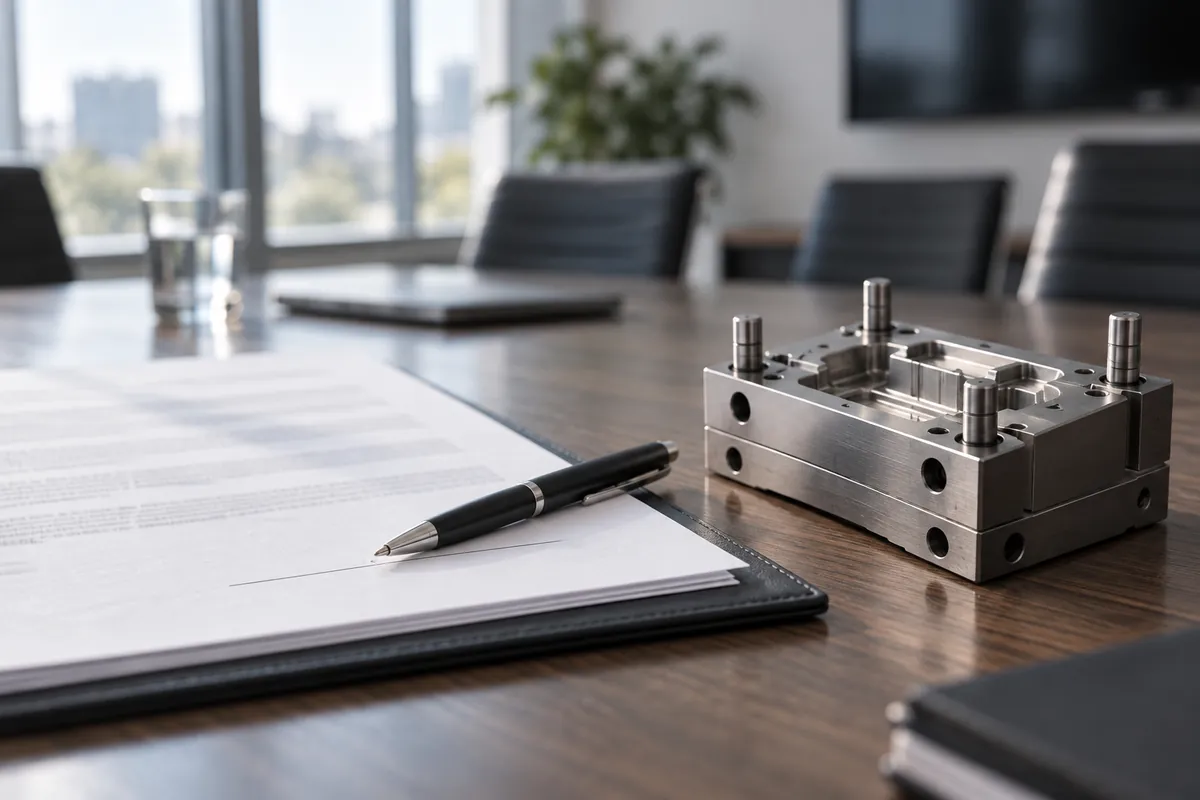
An NNN agreement (non-disclosure, non-use, non-circumvention), written to be enforceable under Chinese law rather than a generic international NDA translated after the fact, is the standard legal tool. Where it applies, registering a trademark and, for a genuinely novel design, a design patent in China specifically, in addition to the buyer's home market, adds another layer, because enforcement against a Chinese manufacturer is realistically pursued through Chinese courts, not foreign ones.
None of this guarantees a design won't be copied. What it does is create real legal exposure for a factory that does copy it, which changes the calculation for most legitimate manufacturers weighing whether it's worth the risk.
Share information in stages
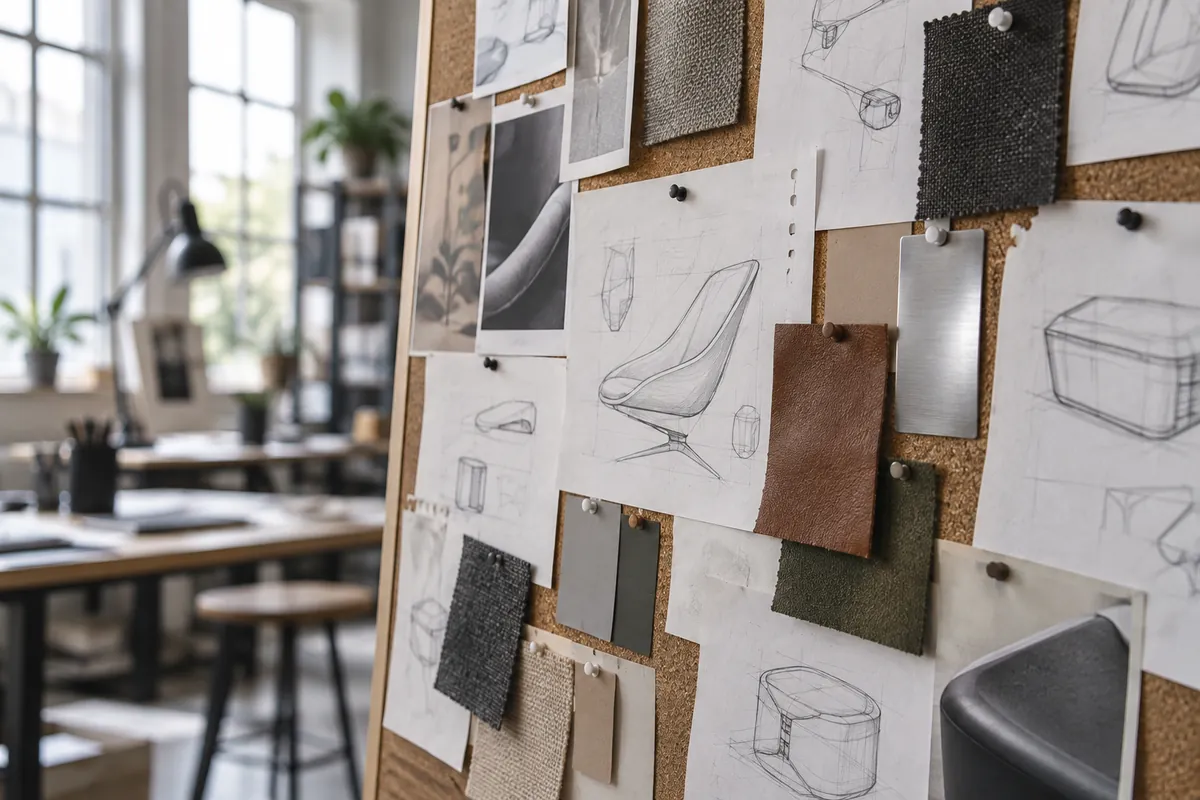
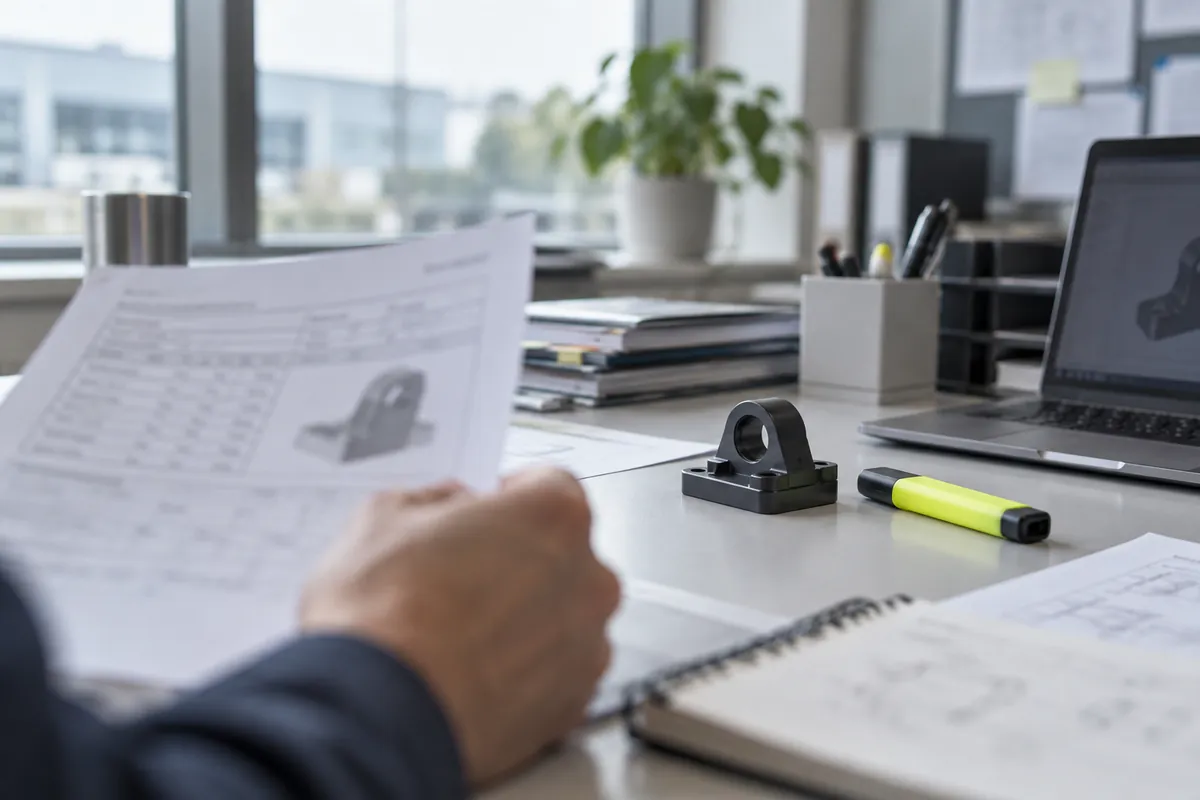
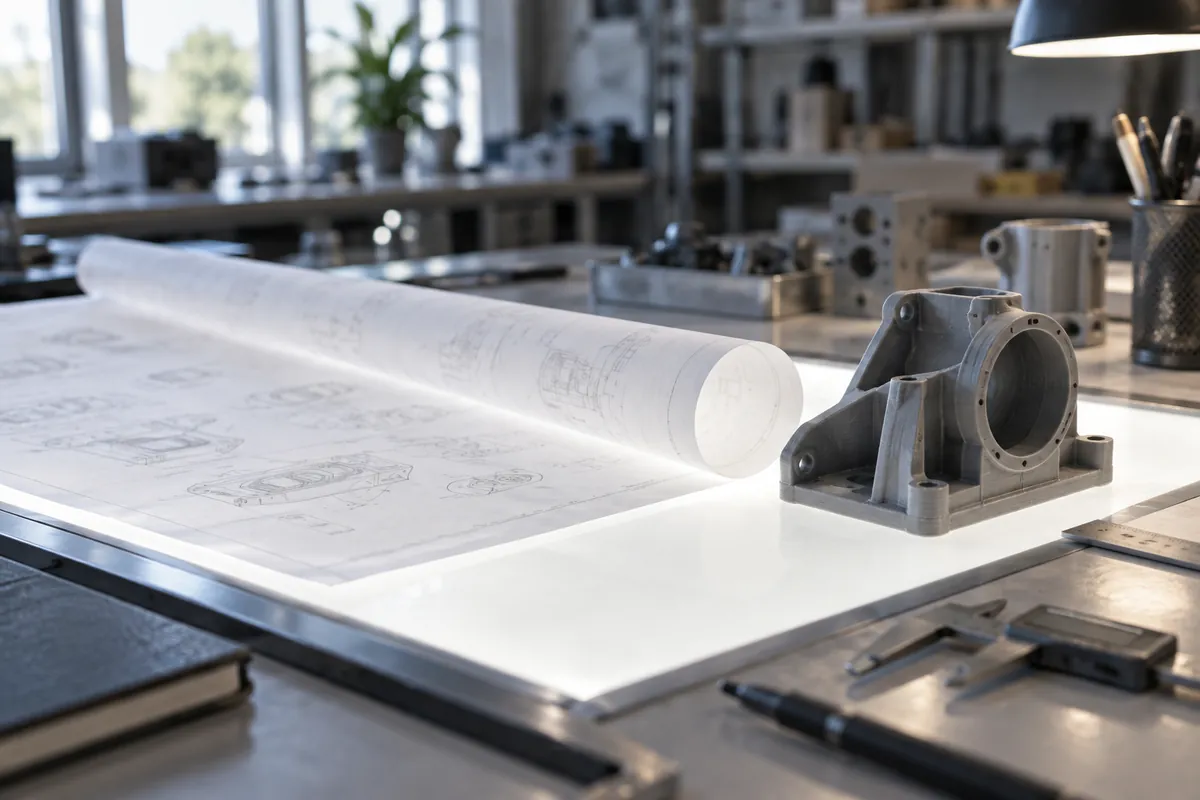
A common and avoidable mistake is sending a complete, detailed specification to several factories at once while still in the early quoting stage, before any agreement is in place and before a factory has been chosen. A more controlled approach shares enough to get a meaningful quote, general dimensions, function, target price range, without handing over full manufacturing drawings, proprietary mechanisms or branding assets until a factory is actually selected and an NNN agreement is signed.
Who actually copies a design, and why it matters
Design copying more often comes from a factory subcontracting part of an order to a workshop outside the original agreement, or from staff turnover carrying knowledge to a competing operation, than from a factory's ownership deliberately deciding to steal a client's product. This matters because it changes where the practical protection needs to focus: controlling subcontracting explicitly in the agreement, and limiting how widely detailed specifications circulate inside the factory itself.
Paperwork protects less than the partner you choose
A factory with an established relationship, a track record with other clients, and a real stake in maintaining its reputation has more to lose from copying a client's design than a workshop taking on a single one-off order with nothing at stake in the relationship continuing. This is one of the less discussed reasons long-term factory relationships tend to carry lower design-theft risk than a new relationship for every product.
Key takeaways
- An NNN agreement enforceable under Chinese law, plus relevant trademark or design registration in China, forms the legal floor.
- Control how much of the design is shared at each stage, particularly before a factory is chosen and an agreement is signed.
- Most design copying comes from subcontracting or staff turnover, not the factory's own ownership; address subcontracting explicitly in the agreement.
- A factory with an established relationship and reputation to protect carries meaningfully lower risk than a one-off, unverified workshop.
Working through factory relationships that have already been vetted and maintained over years is part of what reduces this exposure structurally, rather than relying on paperwork alone to do all the protecting.